
Vitamin D Explained: Benefits, Sources, and How Much Do You Need?
Vitamin D is an essential nutrient that plays several important roles in the body. It is perhaps best known for supporting healthy bones, but vitamin D is also involved in normal muscle and immune function.
Vitamin D is an essential nutrient that plays several important roles in the body. It is perhaps best known for supporting healthy bones, but vitamin D is also involved in normal muscle and immune function.
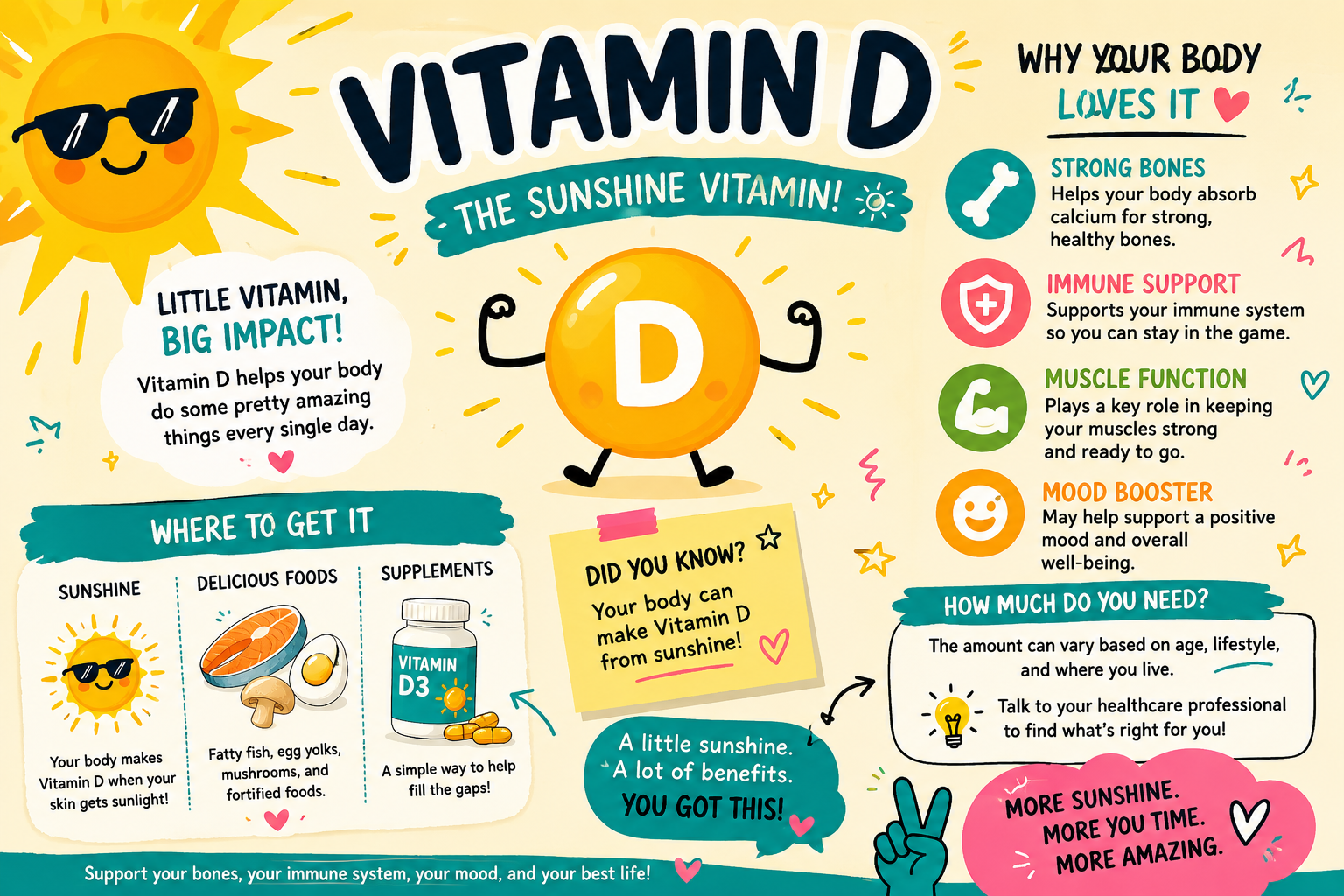
Unlike most vitamins, vitamin D can be produced by the body when skin is exposed to sunlight. It can also be obtained through certain foods and supplements.
So, what exactly does vitamin D do, where can you get it, and when might supplementation be worth considering?
What Is Vitamin D?
Vitamin D is a fat-soluble vitamin. Two of the main forms you may see on foods and supplements are vitamin D2 and vitamin D3.
After vitamin D enters the body, it goes through several processes before being converted into forms the body can use.
Because relatively few foods naturally contain substantial amounts of vitamin D, sunlight, fortified foods, and supplements can all contribute to vitamin D intake.
1. Vitamin D Supports Healthy Bones
One of vitamin D's most established roles is helping the body absorb calcium.
Calcium is an important mineral for maintaining bones and teeth, but getting enough calcium alone isn't the entire picture. Vitamin D helps support the body's ability to absorb and use calcium effectively.
Maintaining adequate vitamin D is therefore an important part of supporting normal bone health.
2. It Supports Normal Muscle Function
Vitamin D also contributes to normal muscle function.
Muscle health matters for much more than exercise. Your muscles are involved in everyday movement, balance, mobility, and physical independence.
Vitamin D isn't a replacement for exercise, adequate protein, or a balanced diet, but it is one nutrient involved in maintaining normal muscle function.
3. Vitamin D Plays a Role in Immune Function
Vitamin D is involved in the normal functioning of the immune system.
That doesn't mean taking more vitamin D will automatically prevent illness. Nutrients generally work as part of a much larger system involving diet, sleep, activity, genetics, and overall health.
Getting adequate vitamin D is one component of supporting normal immune function.
Where Does Vitamin D Come From?
There are three primary ways people can obtain vitamin D: sunlight, food, and supplements.
Sunlight
The body can produce vitamin D when skin is exposed to ultraviolet B (UVB) radiation from sunlight.
How much vitamin D someone produces can vary considerably depending on factors such as season, latitude, time outdoors, skin pigmentation, age, clothing, and sunscreen use.
Sun exposure also carries risks, including skin damage, so increasing unprotected sun exposure isn't necessarily the best way to address low vitamin D.
Food
Vitamin D naturally occurs in a relatively small number of foods.
Sources can include:
Fatty fish such as salmon and trout
Egg yolks
Certain mushrooms
Fish liver oils
Vitamin D is also added to some fortified foods. Depending on where you live, this can include milk, plant-based beverages, cereals, and other products.
Checking the nutrition label can tell you whether a particular food has been fortified with vitamin D.
Supplements
Vitamin D supplements can provide a consistent amount of vitamin D regardless of diet or sun exposure.
You'll commonly find supplements containing vitamin D3 or vitamin D2, either on their own or combined with other nutrients.
Supplements can be useful in certain circumstances, but more isn't always better. Vitamin D is fat-soluble, meaning excessive amounts can accumulate in the body and potentially cause harmful effects.
How Much Vitamin D Do You Need?
Vitamin D requirements vary by factors including age and life stage.
Rather than assuming that a higher dose is automatically better, it's important to consider your total vitamin D intake from food and supplements and follow appropriate dietary guidance.
If you're concerned about whether you're getting enough vitamin D, a healthcare professional can help determine whether testing or supplementation is appropriate.
Who May Be at Greater Risk of Low Vitamin D?
Some people may have greater difficulty obtaining or producing adequate vitamin D.
Factors associated with a higher risk can include limited sun exposure, older age, darker skin pigmentation, certain medical conditions affecting nutrient absorption, and diets containing few sources of vitamin D.
Geography and season can also influence vitamin D production from sunlight, particularly in regions that receive less effective UVB exposure during parts of the year.
Having one of these factors doesn't necessarily mean you're deficient, however. Testing and professional guidance can provide a clearer picture when deficiency is a concern.
Can You Take Too Much Vitamin D?
Yes.
While obtaining excessive vitamin D from normal food intake is unlikely, taking very high amounts through supplements can lead to vitamin D toxicity.
Excess vitamin D can cause calcium levels in the blood to become too high and may lead to serious health problems.
This is one reason to avoid taking high-dose supplements simply because a nutrient is considered beneficial.
What Should You Look for in a Vitamin D Supplement?
If you decide to purchase vitamin D, start by checking the Supplement Facts or nutrition label.
Look at the amount of vitamin D per serving, the form of vitamin D, serving size, additional ingredients, and directions for use.
Don't assume the supplement with the largest number on the bottle is the best option. A supplement should provide an appropriate amount for your individual needs.
Product quality and transparency are also worth considering. Look for manufacturers that clearly disclose ingredients and provide straightforward information about their products.
The Bottom Line
Vitamin D is an essential nutrient involved in bone health, calcium absorption, muscle function, and normal immune function.
The body can obtain vitamin D through sunlight, food, fortified products, and supplements. However, individual needs and the risk of deficiency can vary considerably.
A balanced diet and healthy lifestyle should remain the foundation of your overall wellness routine. Supplements can help fill specific nutritional gaps when appropriate, but they shouldn't be treated as a replacement for healthy habits.
If you think you may have low vitamin D or are considering taking a high-dose vitamin D supplement, speak with a qualified healthcare professional for individualized guidance.
Medical Disclaimer: This article is for general educational and informational purposes only and is not medical advice. It is not intended to diagnose, treat, cure, or prevent any disease. Consult a qualified healthcare professional regarding your individual health needs and before starting or changing a supplement regimen.